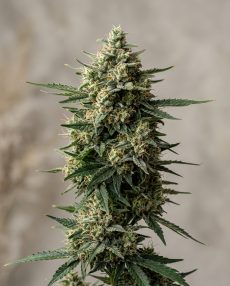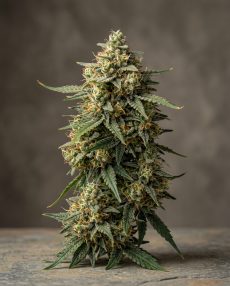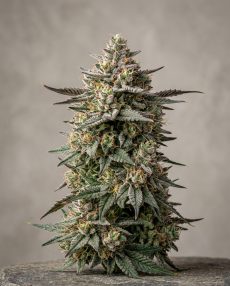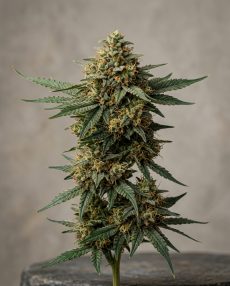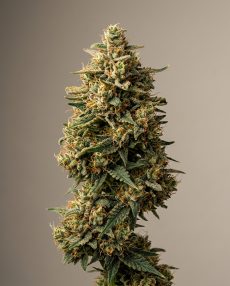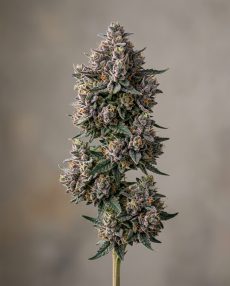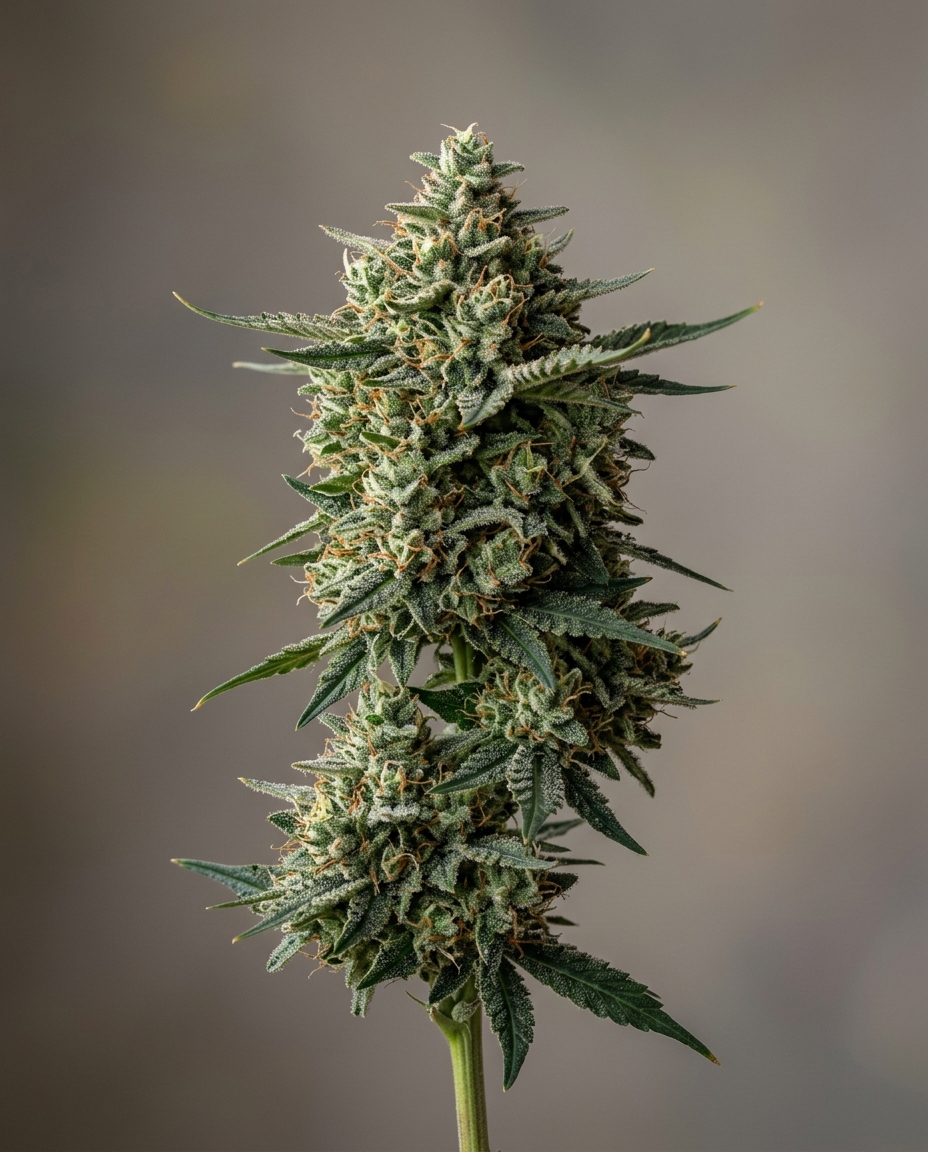
In the grow room, Khalifa Kush is commonly described with a 9–10 weeks finish, indoor height near 3–4 ft, outdoor height near 5–6 ft, and significant vertical stretch in early flower. These traits make it easier for customers to compare flowering speed, canopy behavior, aroma, and yield expectations before choosing a seed pack.
Cultivar Snapshot
| Type | Indica Dominant Hybrid |
|---|---|
| THC | 24%–28% |
| CBD | 0.1% |
| Genetics | OG Kush phenotype |
| Flowering Time | 9–10 weeks |
| Yield Class | Medium |
| Indoor Height | 3–4 ft |
| Outdoor Height | 5–6 ft |
| Outdoor Harvest | Mid October |
| Grow Difficulty | Advanced |
| Flavor Notes | Citrus, Pine, Gas |
| Dominant Terpene Notes | Limonene, Myrcene, Caryophyllene |
Genetic Profile
The reported background of Khalifa Kush places it in a indica dominant hybrid lane with clear seed-bank relevance.
For growers, the important question is how those genetics may translate into flower density, stretch behavior, terpene depth, and harvest timing once environment and phenotype enter the picture.
Potency and CBD Balance
Khalifa Kush is generally listed around 24%–28% THC with 0.1% CBD. That range gives shoppers a useful strength marker while leaving room for phenotype, harvest timing, curing, and testing variation.
Potency reads best alongside terpene balance and flower maturity, because two cultivars with similar THC numbers can feel very different in real use.
Sensory Profile
A sharp, aggressive blast of pine-sol and gasoline that lingers on the palate with a citrus-peel finish.
Live flower, late-flower resin, and properly cured buds can each reveal different layers, so growers often watch terpene development closely as harvest approaches.
Terpene Profile
| Terpene | Grower & Enthusiast Notes |
|---|---|
| Limonene | Adds a brighter aromatic layer that can balance heavier resin notes. |
| Myrcene | Often adds earthy, herbal, musky, and body-heavy aromatic depth. |
| Caryophyllene | Can bring a peppered edge that sharpens kush, gas, or earthy profiles. |
Effects & Experience
Khalifa Kush is often chosen for a indica dominant hybrid experience, recognizable aroma, and effects shaped by its cannabinoid strength and terpene balance.
For product research, this helps customers decide whether the strain is usually discussed as more calming, creative, body-focused, balanced, daytime-leaning, or evening-oriented.
Plant Structure & Training
Demands attention and environmental control, rewarding the grower with rock-hard, frost-covered nuggets.
The plant profile can be summarized through a practical seed-bank style built around structure and finish time, dense resin rails, and significant vertical stretch in early flower. That makes Khalifa Kush useful for growers comparing structure before choosing a seed pack.
Sensitive to humidity; requires excellent airflow. Clean airflow, proper spacing, and patient harvest timing help protect final flower quality.
Harvest Window & Output
Khalifa Kush is often grown with a flowering window near 9–10 weeks. Indoor yield potential is often described around 400–450 g/m², while outdoor yield potential may reach about 500 g/plant in suitable legal climates.
Actual results depend on light quality, root health, plant count, training method, nutrition, pest pressure, phenotype, and grower skill.
Best Use Cases
Experienced growers seeking elite terpene potency. Customers can use the full profile to compare space requirements, flavor preference, potency target, and harvest expectations.
Buyer Questions
Why do growers look at Khalifa Kush?
Growers usually compare it through flowering time, structure, potency range, dominant terpene notes, and overall garden fit.
What is the listed CBD level?
CBD is usually treated as 0.1%, while THC is often shown around 24%–28%.
How much stretch should growers expect?
Stretch behavior is described as significant vertical stretch in early flower, though light intensity, training, and phenotype can change the final shape.
What aromas are expected?
The profile leans toward citrus, pine, gas, with dominant terpene notes commonly reported as Limonene, Myrcene, Caryophyllene.
What is the main grower takeaway?
The main takeaway is its combination of indica dominant hybrid structure, 9–10 weeks flowering, and medium production potential.
Legal note: Seed laws and cultivation rules differ by region. Purchase, possession, germination, and cultivation must follow the regulations that apply where you live.