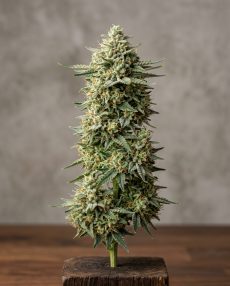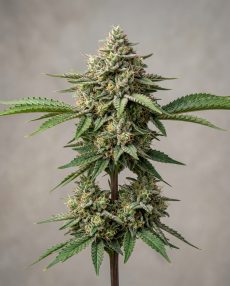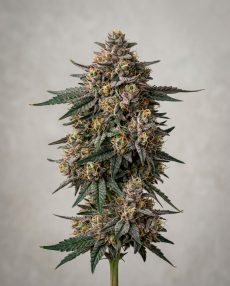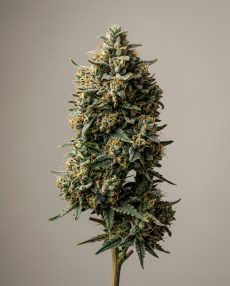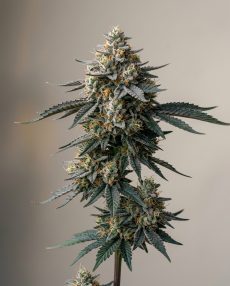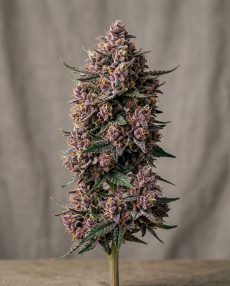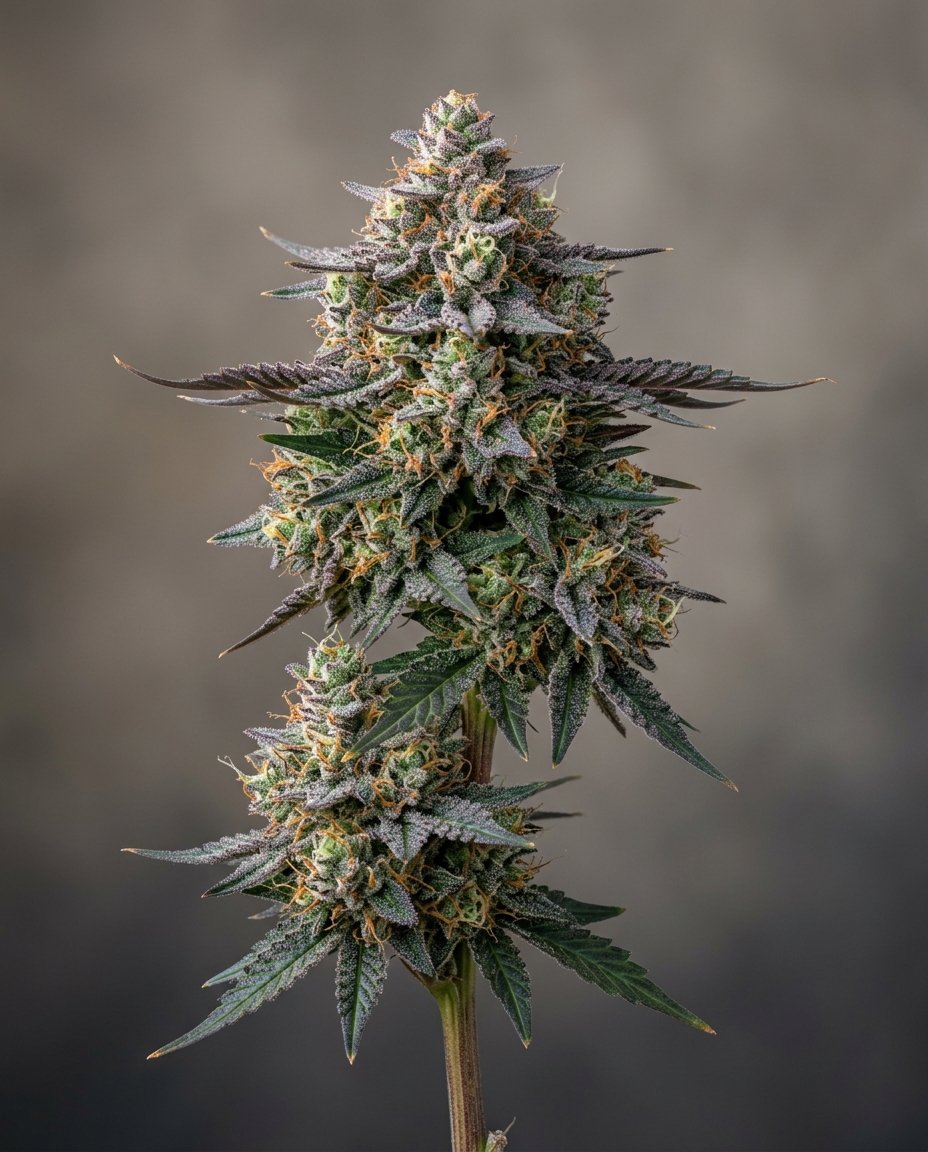
Growers often look at Blueberry Kush for its 8–10 weeks flowering window, minimal to moderate stretch, and medium production potential. The cultivar is often chosen for indoor plants around 2–4 ft, outdoor plants around 4–6 ft, and a flavor personality shaped by Myrcene, Caryophyllene, Pinene.
Product Profile
| Type | Indica Dominant Hybrid |
|---|---|
| THC | 19%–23% |
| CBD | Low |
| Genetics | Blueberry x OG Kush |
| Flowering Time | 8–10 weeks |
| Yield Class | Medium |
| Indoor Height | 2–4 ft |
| Outdoor Height | 4–6 ft |
| Outdoor Harvest | Mid October |
| Grow Difficulty | Moderate |
| Flavor Notes | Earthy |
| Dominant Terpene Notes | Myrcene, Caryophyllene, Pinene |
Genetic Profile
The reported background of Blueberry Kush places it in a indica dominant hybrid lane with clear seed-bank relevance.
For growers, the important question is how those genetics may translate into flower density, stretch behavior, terpene depth, and harvest timing once environment and phenotype enter the picture.
Potency and CBD Balance
Blueberry Kush is generally listed around 19%–23% THC with low CBD. That range gives shoppers a useful strength marker while leaving room for phenotype, harvest timing, curing, and testing variation.
Potency reads best alongside terpene balance and flower maturity, because two cultivars with similar THC numbers can feel very different in real use.
Terpene-Led Flavor
A rich blend of ripe, jammy blueberries and deep, forest-floor earthiness.
Live flower, late-flower resin, and properly cured buds can each reveal different layers, so growers often watch terpene development closely as harvest approaches.
Terpene Profile
| Terpene | Grower & Enthusiast Notes |
|---|---|
| Myrcene | Often adds earthy, herbal, musky, and body-heavy aromatic depth. |
| Caryophyllene | Can bring a peppered edge that sharpens kush, gas, or earthy profiles. |
| Pinene | Often supports a fresher, sharper nose with classic pine influence. |
Experience Context
Blueberry Kush is often chosen for a indica dominant hybrid experience, recognizable aroma, and effects shaped by its cannabinoid strength and terpene balance.
For product research, this helps customers decide whether the strain is usually discussed as more calming, creative, body-focused, balanced, daytime-leaning, or evening-oriented.
Garden Performance
Compact and sturdy, producing dense, resin-encrusted buds that often turn deep purple in cooler temperatures.
The plant profile can be summarized through balanced branching with manageable height, glassy trichome coverage, and minimal to moderate stretch. That makes Blueberry Kush useful for growers comparing structure before choosing a seed pack.
Good resistance to common pests, but keep humidity low during late flower. Clean airflow, proper spacing, and patient harvest timing help protect final flower quality.
Yield and Harvest Timing
Blueberry Kush is often grown with a flowering window near 8–10 weeks. Indoor yield potential is often described around 400–500 g/m², while outdoor yield potential may reach about 500 g/plant in suitable legal climates.
Actual results depend on light quality, root health, plant count, training method, nutrition, pest pressure, phenotype, and grower skill.
Best Use Cases
Evening use, pain management, and those who love deep, complex berry flavors. Customers can use the full profile to compare space requirements, flavor preference, potency target, and harvest expectations.
Frequently Asked Questions
Why do growers look at Blueberry Kush?
Growers usually compare it through flowering time, structure, potency range, dominant terpene notes, and overall garden fit.
What is the listed CBD level?
CBD is usually treated as low, while THC is often shown around 19%–23%.
How much stretch should growers expect?
Stretch behavior is described as minimal to moderate stretch, though light intensity, training, and phenotype can change the final shape.
What aromas are expected?
The profile leans toward earthy, with dominant terpene notes commonly reported as Myrcene, Caryophyllene, Pinene.
What is the main grower takeaway?
The main takeaway is its combination of indica dominant hybrid structure, 8–10 weeks flowering, and medium production potential.
Legal note: Seed laws and cultivation rules differ by region. Purchase, possession, germination, and cultivation must follow the regulations that apply where you live.