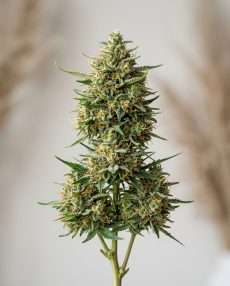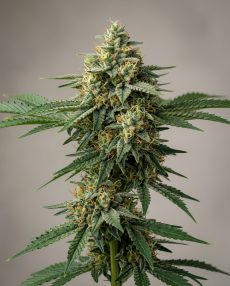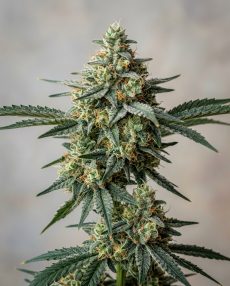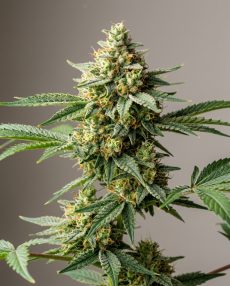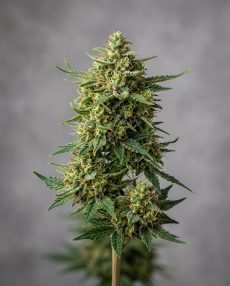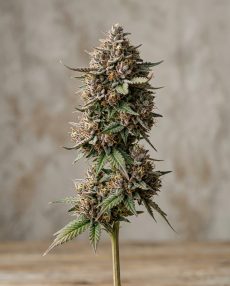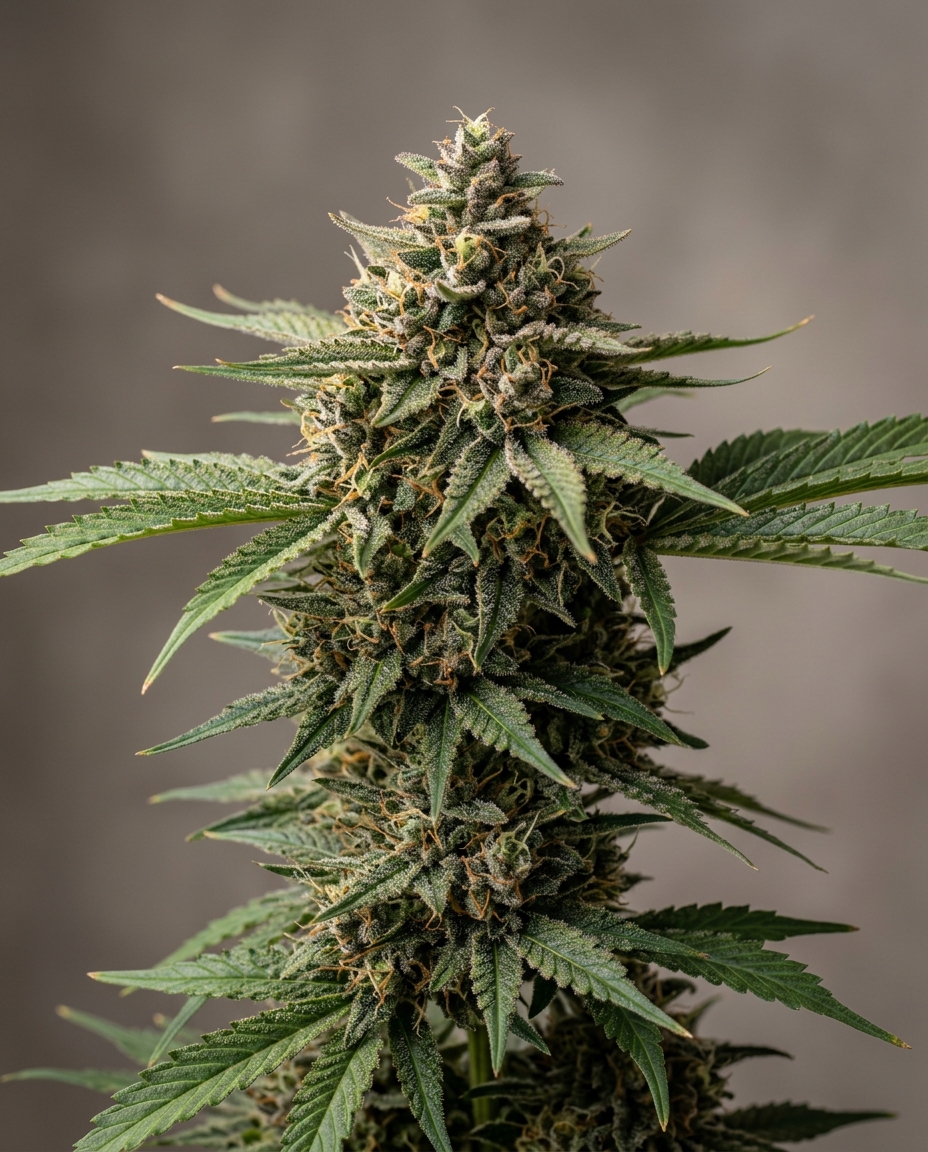
For cultivation planning, Lebanese is usually listed with 7–8 weeks flowering, 2–3 ft indoor height, and outdoor harvest around Late September where growing is legally permitted. Its dominant terpene notes — Myrcene, Pinene, Caryophyllene — sharpens the aroma and gives the finished flower a more memorable nose.
Quick Facts
| Type | Pure Indica |
|---|---|
| THC | 12%–16% |
| CBD | 1%–2% |
| Genetics | Lebanese Landrace |
| Flowering Time | 7–8 weeks |
| Yield Class | Medium |
| Indoor Height | 2–3 ft |
| Outdoor Height | 4–6 ft |
| Outdoor Harvest | Late September |
| Grow Difficulty | Moderate |
| Flavor Notes | Earthy, Spicy |
| Dominant Terpene Notes | Myrcene, Pinene, Caryophyllene |
Lineage & Cultivar Background
Lebanese carries a lineage listed as Lebanese Landrace, which gives customers a useful starting point when comparing flavor, vigor, and finish time.
Genetics are not a guarantee, but they often hint at whether a plant may lean more compact, branchy, resin-forward, aromatic, or yield-driven under legal cultivation conditions.
Cannabinoid Range
Lebanese is not defined by THC alone, even though its listed range of 12%–16% is important for product comparison.
CBD is usually treated as 1%–2%, while the cultivar’s finished-flower feel depends heavily on dominant terpene notes and post-harvest handling.
Flavor and Nose
Deeply earthy with distinct notes of dry cedar, antique incense, and a sharp, peppery spice finish.
What makes aroma useful for buyers is comparison. A cultivar with earthy, spicy angle will appeal to a different customer than one built around gas, citrus, candy, skunk, pine, or incense-heavy notes.
Terpene Profile
| Terpene | Grower & Enthusiast Notes |
|---|---|
| Myrcene | Helps create the heavier herbal foundation associated with classic cannabis aroma. |
| Pinene | Adds pine freshness, forest-like sharpness, and a cleaner aromatic edge. |
| Caryophyllene | Adds peppery spice, warm herbal bite, and deeper resin character. |
Customer Experience Notes
Lebanese is often chosen for a pure indica experience, recognizable aroma, and effects shaped by its cannabinoid strength and terpene balance.
Personal sensitivity matters, so customers should treat experience descriptions as general cultivar guidance rather than a fixed outcome.
Grow Room Notes
Short, squat, and incredibly hardy. Develops a massive central cola with minimal side branching.
Growers should watch canopy planning, because the reported height range of 2–3 ft indoors and 4–6 ft outdoors can shift with pot size, light intensity, training, and phenotype.
Requires little training; thrives in natural bush form. Keep late-flower humidity steady and avoid crowded canopies when resin and flower density increase.
Finish Time and Yield
Lebanese fits a production profile built around medium yield potential, 7–8 weeks flowering, and an outdoor harvest estimate of Late September.
Rather than pushing plants too hard, growers usually get better results by maintaining a steady environment and letting the cultivar finish cleanly.
Recommended For
Hash production, old-school collectors, dry climate outdoor grows. The strongest read comes from the whole plant: genetics, flowering time, height, dominant terpene notes, resin character, and garden fit.
Buyer Questions
Is Lebanese indica or sativa?
Lebanese is listed as a pure indica, though individual phenotype expression can vary by seed source and growing environment.
How strong is Lebanese?
Lebanese is often shown around 12%–16% THC with 1%–2% CBD, making it helpful for customers comparing potency ranges.
How long does Lebanese take to flower?
Flowering time is often shown around 7–8 weeks, with outdoor harvest often expected around Late September in suitable legal climates.
What does Lebanese taste and smell like?
The flavor notes is commonly described as earthy, spicy, with terpene balance influenced by phenotype, harvest timing, and curing quality.
Is Lebanese suitable for growers?
It can be a practical option for growers comparing feminized seeds by flowering time, height, yield potential, aroma, potency, and garden behavior where cultivation is legally permitted.
Important: Cannabis laws vary by location. Seeds may be sold as adult souvenirs, genetic preservation items, or for lawful cultivation only where permitted. Always follow the laws and regulations in your area.