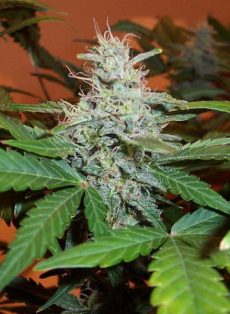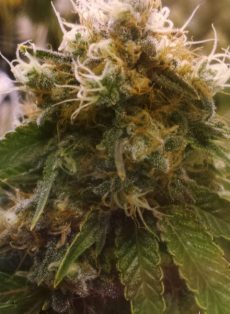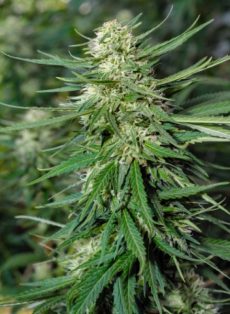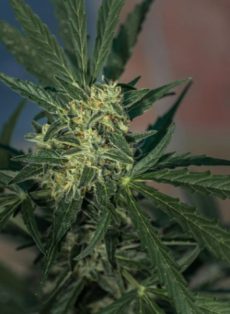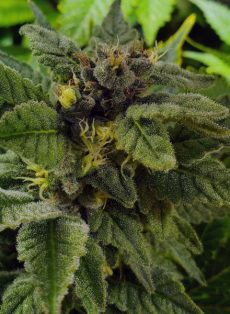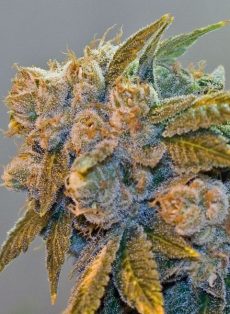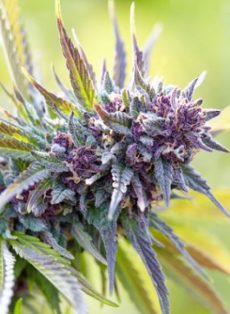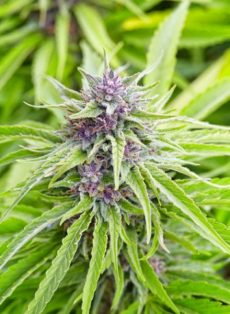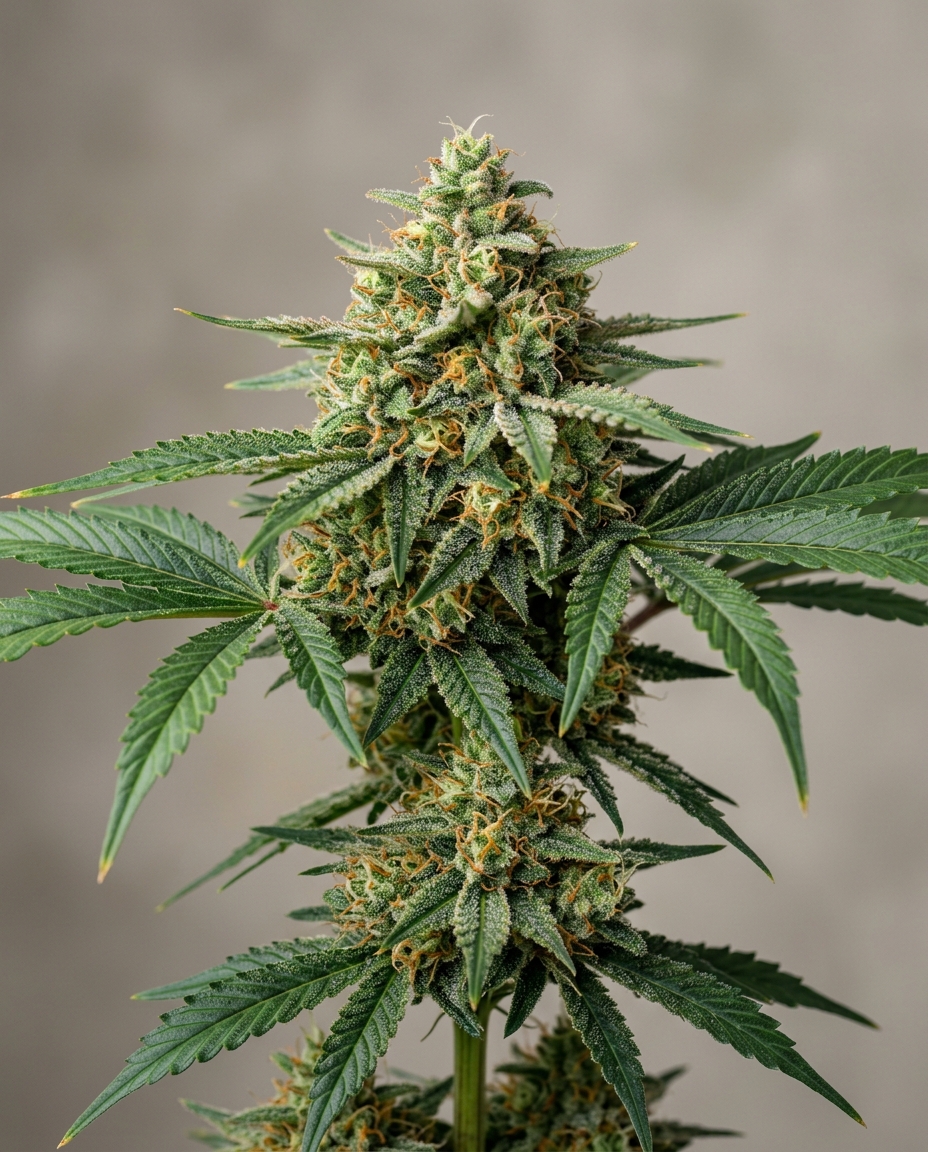
For cultivation planning, Canna-Tsu is usually listed with 9–10 weeks flowering, 3–4 ft indoor height, and outdoor harvest around Mid October where growing is legally permitted. Its dominant terpene notes — Myrcene, Pinene, Caryophyllene — sharpens the aroma and gives the finished flower a more memorable nose.
Strain Data Overview
| Type | Hybrid |
|---|---|
| THC | 7%–10% |
| CBD | 10%–15% |
| Genetics | Cannatonic x Sour Tsunami |
| Flowering Time | 9–10 weeks |
| Yield Class | Medium |
| Indoor Height | 3–4 ft |
| Outdoor Height | 5–6 ft |
| Outdoor Harvest | Mid October |
| Grow Difficulty | Moderate |
| Flavor Notes | Lemon, Pine |
| Dominant Terpene Notes | Myrcene, Pinene, Caryophyllene |
Lineage & Cultivar Background
Looking at Cannatonic x Sour Tsunami helps explain why Canna-Tsu is compared through both plant behavior and finished-flower personality.
The parentage shows up most clearly in practical traits: canopy style, aroma notes, resin character, and the level of attention needed during bloom.
Cannabinoid Profile
The cannabinoid profile for Canna-Tsu is usually described near 7%–10% THC and 10%–15% CBD.
Customers should view those figures as a starting point, not a fixed promise, because environment, seed expression, and lab method can all shift the final result.
Flavor Notes
A crisp, invigorating blend of fresh pine needles and lemon zest with a grounding, woody finish.
The aroma is what makes this cultivar easier to recognize in the jar. It helps separate Canna-Tsu from more plain seed listings and gives customers a better reason to remember the cultivar.
Terpene Profile
| Terpene | Grower & Enthusiast Notes |
|---|---|
| Myrcene | Helps create the heavier herbal foundation associated with classic cannabis aroma. |
| Pinene | Can create a crisp evergreen note that cuts through sweet or earthy traits. |
| Caryophyllene | Adds peppery spice, warm herbal bite, and deeper resin character. |
Effect Profile
Canna-Tsu is often chosen for a hybrid experience, recognizable aroma, and effects shaped by its cannabinoid strength and terpene balance.
Effect notes should be treated as flexible buyer context, not a promise. Tolerance, dose, batch freshness, cannabinoid range, and terpene balance all shape how a cultivar may feel.
Grower Notes
Sturdy, medium-height plants that develop tight, resin-dusted buds with excellent internodal spacing.
For indoor growers, the key variables are training response, internodal spacing, flower weight, and humidity management. For outdoor growers, timing around Mid October and local weather pressure matter most.
Benefits from light defoliation to expose lower bud sites to light, while good pest resistance, keep humidity low in late flower.
Finish Time and Yield
For production planning, Canna-Tsu is generally placed in a 9–10 weeks flowering range. Outdoor harvest timing is often chosen for Mid October, depending on region and seasonal conditions.
The listed medium yield class is helpful when comparing seed packs, but it should never be treated as a guaranteed result.
Best For
Extract artists, balanced cannabinoid seekers, daytime relief. This profile is especially helpful for customers who want seed-bank data with enough grower detail to understand garden fit before purchase.
Frequently Asked Questions
Does Canna-Tsu stay compact?
Typical height is listed around 3–4 ft indoors and 5–6 ft outdoors, though training and phenotype can change final size.
Is Canna-Tsu difficult to grow?
The grow difficulty is usually described as moderate, with best results coming from steady airflow, light control, and clean garden management.
What makes Canna-Tsu different?
Its hybrid profile, Cannatonic x Sour Tsunami lineage, lemon, pine flavor notes, and moderate vertical reach help separate it from plain seed listings.
What yield can growers expect?
Yield potential is often listed around 400–450 g/m² indoors and 500 g/plant outdoors, but actual results depend on environment and skill.
Which terpenes are listed?
The dominant terpene notes is commonly listed as Myrcene, Pinene, Caryophyllene, though final expression depends on phenotype and curing.
Important: Cannabis laws vary by location. Seeds may be sold as adult souvenirs, genetic preservation items, or for lawful cultivation only where permitted. Always follow the laws and regulations in your area.